Venetian Blinds: Timeless Style Meets Modern Functionality
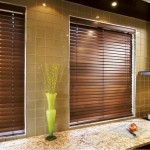
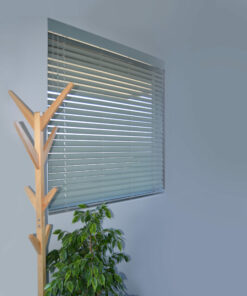
Venetian blinds offer a classic, sophisticated solution, transforming any room from a sun-drenched space to a private, tranquil retreat with a simple twist. Characterised by their elegant horizontal slats, these blinds are more than just window coverings; they are a versatile design tool that provides unparalleled control over light, privacy, and ambiance.
Whether you're seeking the warm, authentic appeal of wooden blinds, the sleek durability of aluminium blinds, or the innovative moisture-resistant properties of Aluwood and Plaswood blinds, our comprehensive range of blinds offers something for every room, style preference, and budget. With adjustable horizontal slats that tilt nearly 180 degrees, Venetian blinds give you complete control over natural light and privacy levels, making them an ideal choice for modern South African living.
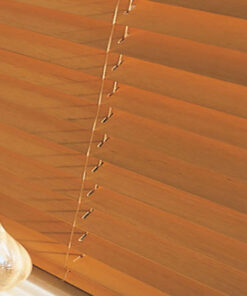
Venetian blinds are a classic window covering made of horizontal slats that can be tilted to control light and privacy. They are typically made from materials like aluminium, wood, or faux wood, with slats suspended by tapes or cords that can be rotated nearly 180 degrees for optimal light management.
What are the main benefits of Venetian blinds?
Venetian blinds are prized for their durability, versatility, and precise light control. They are easy to clean, stylish, and available in a wide range of materials and colours to suit any décor. Additional benefits include cost-effectiveness, temperature regulation, and their ability to complement both formal and casual interior design styles.
What is the difference between aluminium, wood, and faux wood Venetian blinds?
Aluminium blinds are lightweight, durable, and moisture-resistant, making them ideal for kitchens and bathrooms. Wood blinds offer a classic, warm look but are best suited for dry rooms. Faux wood blinds provide the authentic appearance of real wood with moisture-resistant benefits, making them perfect for any room including high-humidity areas.
Can I install Venetian blinds myself?
Yes, most people can install Venetian blinds themselves using basic tools like a drill, screwdriver, and tape measure. The installation process involves positioning brackets, marking drill holes, and securing the blind's headrail. Most blind kits include comprehensive instructions and all necessary hardware.
How do I clean my Venetian blinds?
For regular maintenance, dust the slats weekly with a microfibre cloth or vacuum with brush attachment. Tilt slats up and down when cleaning to reach both sides. For deeper cleaning, you can wash them in a bathtub with mild soapy water or use outdoor cleaning methods with car wash fluid.
Are Venetian blinds suitable for all rooms?
Yes, there is a Venetian blind material suitable for every room. Moisture-resistant options like aluminium and faux wood are perfect for kitchens and bathrooms, while wood blinds add elegance to living rooms and bedrooms. The key is selecting the appropriate material for each room's specific conditions.
Should I choose an inside or outside mount for my Venetian blinds?
An inside mount (recess fit) provides a neat, built-in appearance, while an outside mount (exact fit) can make windows appear larger and cover frame imperfections. Inside mounts require sufficient recess depth (minimum 60mm), while outside mounts offer more flexibility and better light control with proper overlap.
Are Venetian blinds child and pet safe?
Yes, many modern Venetian blinds feature child-safe designs including cordless operation or cord management systems. Cordless blinds eliminate strangulation hazards entirely, while corded versions include safety features like cord cleats and breakaway mechanisms for enhanced protection.
What slat width should I choose for my Venetian blinds?
Slat width affects both aesthetics and functionality. Wider slats (50mm) offer a traditional look with easier cleaning and clearer views, while narrower slats (25mm) provide contemporary styling with greater privacy. Medium widths (35mm) offer balanced performance for most applications.
Can I pair Venetian blinds with curtains?
Absolutely! Combining Venetian blinds with curtains creates enhanced layering for improved light control, privacy, and aesthetic appeal. This combination allows you to use blinds for precise light management while curtains add texture, colour, and additional insulation benefits.
Why Choose Blinds Direct for Your Venetian Blinds?
Transform your windows with our premium collection of made-to-measure Venetian blinds, crafted from the finest materials and available in an extensive range of styles, colours, and sizes. Whether you're updating a single room or renovating your entire home, our expert team and quality products ensure you'll find the perfect window treatment solution.
From contemporary city apartments to traditional family homes, Venetian blinds complement any interior design style while providing the practical benefits of temperature regulation, glare reduction, and enhanced privacy. Range over our extensive selection of materials, colours, and custom made-to-measure options to find the perfect window treatment solution for your South African home or office.
Complete Buying Guide: Choose Your Perfect Venetian Blinds
Understanding Venetian Blind Materials
Aluminium Venetian Blinds
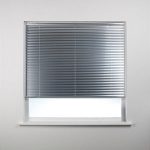
Aluminium blinds are the ultimate practical choice for South African homes, offering exceptional durability, moisture resistance, and cost-effectiveness. These lightweight yet sturdy blinds feature slats made from high-tensile, vinyl-coated aluminium with thicknesses ranging from 0.18mm to 0.23mm for superior quality.
Best for: Kitchens, bathrooms, high-humidity areas, and commercial spaces. Their smooth surface makes them exceptionally easy to clean and maintain, while their sleek, modern appearance complements contemporary décor styles.
Basswood Venetian Blinds
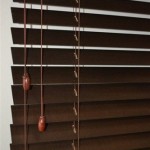
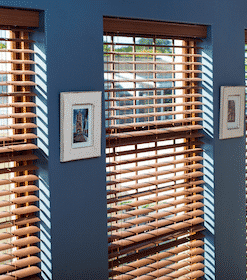
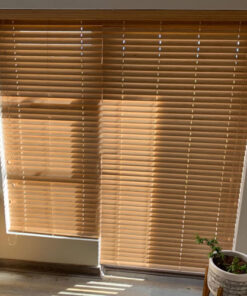
Natural wood blinds offer timeless elegance and superior insulation properties. These authentic wooden blinds bring warmth and sophistication to any room, creating a cosy, welcoming atmosphere. Wood blinds are heavier than other materials but provide excellent light blocking capabilities and natural beauty.
Best for: Living rooms, bedrooms, and formal dining areas where aesthetics are paramount. However, they require protection from excessive moisture and humidity.
Aluwood Venetian Blinds (Faux Wood)
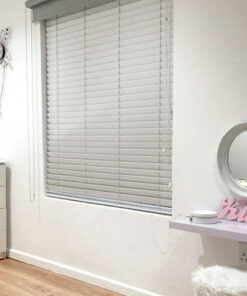
Aluwood blinds combine the authentic appearance of real wood with the practical benefits of modern materials. These innovative blinds feature aluminium slats with a realistic wood-grain effect, offering the beauty of timber without the maintenance concerns.
Best for: Any room in your home, including bathrooms and kitchens. They're particularly ideal for high-humidity areas where real wood might warp or discolour.
Plaswood Venetian Blinds
Plaswood blinds are constructed from a hybrid composite material combining plastic and wood elements. This robust construction delivers the soft appearance of wooden blinds while being more cost-effective and durable than genuine timber alternatives.
Best for: Budget-conscious homeowners who want the wood-look aesthetic with enhanced durability and minimal maintenance requirements.
Slat Width Selection Guide
25mm Slats
Narrow 25mm slats provide a contemporary, minimalist appearance with maximum privacy. With approximately 42 slats per metre of blind height, they create a refined, layered look perfect for modern interiors.
35mm Slats
Mid-width 35mm slats offer balanced aesthetics and functionality, requiring approximately 32 slats per metre. This size works well in most residential applications, providing good light control without overwhelming smaller windows.
50mm Slats
Wide 50mm slats are the most popular choice, creating a bold, traditional appearance. With only 22 slats needed per metre of height, they're easier to clean and provide clearer views when tilted horizontally. The larger slat size makes windows appear more substantial and creates striking visual impact.
Style and Colour Considerations
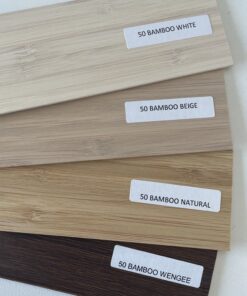
Classic Neutrals: White, cream, and beige blinds offer timeless appeal and complement any décor style while maximising natural light reflection.
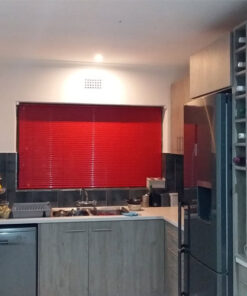
Bold Colours: Statement colours can serve as focal points or complement existing colour schemes. Consider your room's lighting and size when selecting vibrant hues.
Natural Wood Tones: From light oak to rich walnut finishes, wood-effect blinds add warmth and texture to living spaces.
Metallic Finishes: Brushed silver, bronze, and copper tones provide modern sophistication for contemporary interiors.
Professional Measuring Guide: Ensure Perfect Fit
Essential Tools Required
Metal tape measure (for maximum accuracy)
Pencil
Step ladder
Paper for recording measurements
Inside Mount (Recess Fit) Measuring
For blinds that fit inside your window frame:
Step 1: Check Depth Ensure your window recess has a minimum depth of 60mm to accommodate the blind's headrail and mechanism.
Step 2: Measure Width Measure the inside width at three points: top, middle, and bottom of the window frame. Record all measurements and use the smallest measurement.
Step 3: Measure Height Measure the inside height at three points: left, middle, and right sides. Use the shortest measurement to ensure proper clearance.
Important: Deduct 10mm from both width and height measurements for proper clearance. This ensures smooth operation and prevents binding.
Outside Mount (Face Fit) Measuring
For blinds mounted outside the window frame:
Step 1: Determine Coverage Decide how much window frame you want to cover. We recommend a minimum 100mm overlap on each side for optimal light control and privacy.
Step 2: Measure Total Width Measure from your desired left mounting point to right mounting point, including the overlap on both sides.
Step 3: Measure Total Height Measure from your desired top mounting point to the bottom coverage point. Consider adding extra length to cover window sills if needed.
Note: No deductions are needed for outside mount installations.
Installation and Maintenance DIY Installation Requirements
Tools Needed:
Drill with 5.5mm masonry bit
Phillips screwdriver
Metal tape measure
Pencil/marker
Step ladder
Spirit level (recommended)
Hammer (optional)
Installation Process: Most Venetian blinds can be installed by homeowners using basic tools and following provided instructions. The process typically involves positioning brackets, marking drill holes, securing brackets to the wall, and mounting the blind's headrail.
How To Install Venetian Blinds
Venetian blinds also known as horizontal blinds are easy to install and affordable. Venetian blinds can be installed two basic ways: mounted inside or outside the window opening. An outside mount makes the window look large because the stack goes above the window. Inside-mounted blinds look trim. Because they don’t overlap the window opening, they admit more light around the edges.
Cleaning and Maintenance
Regular Maintenance:
Weekly dusting: Use a microfiber cloth or vacuum with brush attachment
Tilt slats up and down when dusting to clean both sides
For spot cleaning, use window cleaner on individual slats
Deep Cleaning:
Indoor method: Soak blinds in a bathtub with warm, soapy water for 15 minutes, scrub gently with a soft brush, and rinse thoroughly.
Outdoor method: Lay blinds on blankets, wash with car wash fluid or mild detergent, scrub with soft brush, and rinse completely.